


Going Out to Dinner with Kids While on a Sleep Schedule
The Transition to One Nap a Day
Naps are a beautiful thing! And we know you probably wish you could curl up and nap as easily as your baby does each day.
But somewhere around the one-year mark, nap time can suddenly become… less peaceful.
If your once-reliable sleeper is resisting that afternoon nap, it may be time to consider the transition to one nap.
So how do you know when your baby is truly ready to drop from two naps to one? And how can you make the transition as smooth as possible?
Let’s break it down.
When Do Babies Transition To One Nap?
In our experience at Sleep Wise, nap disruptions don’t always mean it’s time to change your schedule.
Short-term sleep changes are often linked to teething, developmental milestones, or increased stimulation during the day.
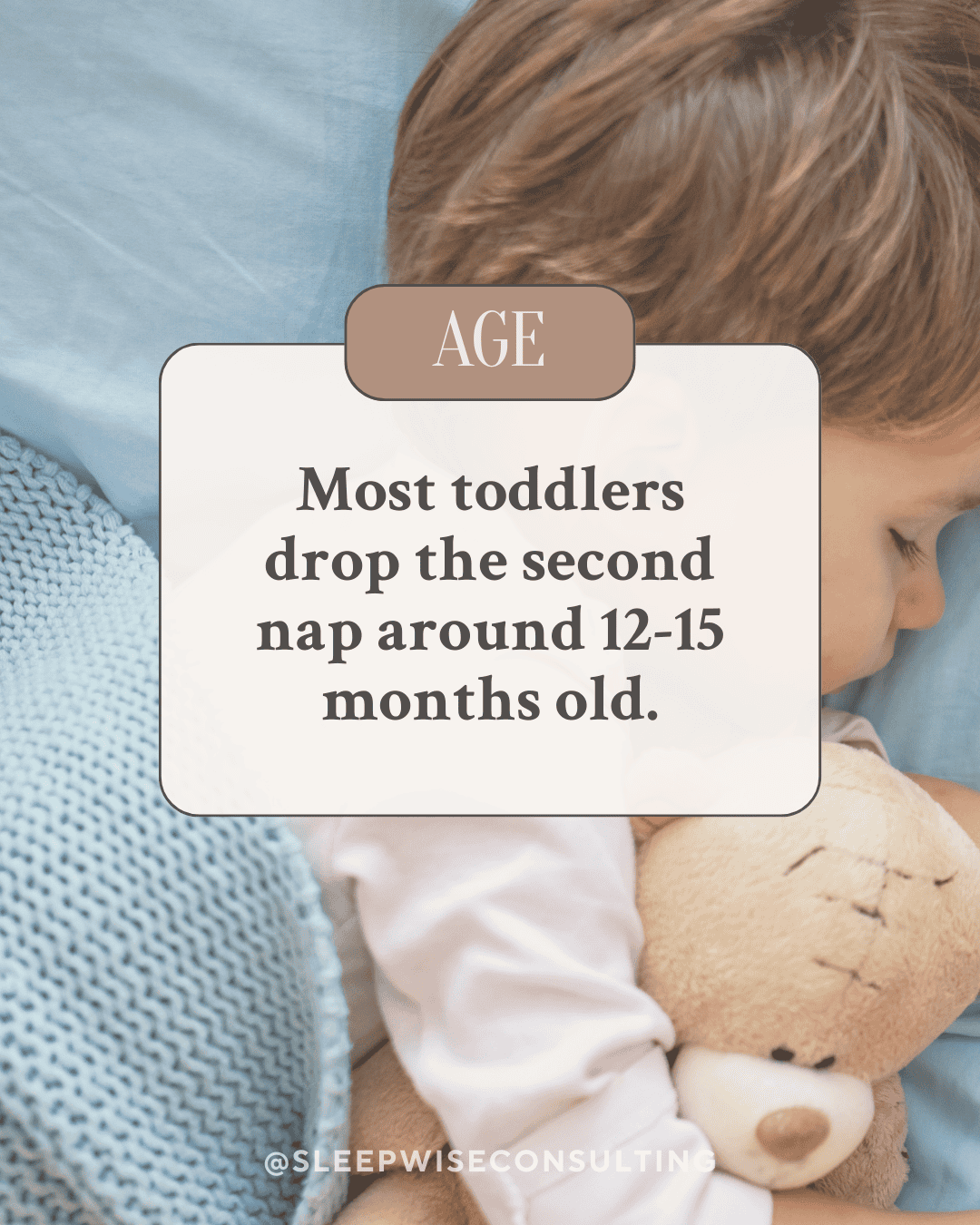
That said, many babies naturally transition to one nap between 12 and 15 months, with around 13 months being a very common time for readiness to show.
At this age, your child’s total sleep needs are also shifting. Most one-year-olds now need about:
- 1.5–2.5 hours of daytime sleep
- 11–12 hours of night sleep
Remember that sleep is a math equation. When total sleep needs change, something has to give—and often, that something is the second nap!
Signs Your Baby Is Ready To Drop To One Nap
These are the most common behavioral signs we see when a toddler is ready to transition to one nap:
- Fussing or crying during the second nap
- Playing or rolling around in the crib instead of sleeping
- Protesting the second nap several days in a row
- Waking earlier in the morning than usual
Early morning wakings are an especially important clue! As your baby’s total sleep needs decrease, their body may start “borrowing” awake time from the early morning hours.
This often happens because the spacing between two naps no longer works for their developing sleep rhythm.
In other words: sleep is math.
When naps stop adding up, mornings often change first.
It’s also very common for babies to protest the second nap for 2–3 days, then resume napping again. In that case, it’s not quite time yet—but you’re getting close.
This on-again, off-again pattern can last several weeks. Once you see a 5-day streak of consistently skipping the second nap, repeated over 2–3 weeks, that’s usually your sign that it’s time to officially transition to one nap.
How to Transition from Two Naps to One
When your baby takes two naps, they’re spaced evenly across the day. Typically, one in the morning and one in the afternoon.
Once the afternoon nap is dropped, the morning nap needs to shift later so that it still splits the difference between your child’s awake windows.
Rather than making a sudden change, we recommend a gradual transition, which tends to be much gentler on your baby’s body.
A Gentle One-Nap Transition Strategy
Instead of eliminating the second nap all at once, slowly push the morning nap later:
- Move the morning nap back 30 minutes every few days
- For example:
- Monday and Tuesday: 10:00 a.m. → 10:30 a.m.
- Wednesday and Thursday: 10:30 a.m. → 11:00 a.m.
- Continue shifting every 2 days until you reach your target nap time
This slow shift helps your child adjust without becoming overtired.
The Ideal One-Nap Schedule Time
Our goal is to land the nap around 12:30 p.m., which works beautifully for most toddlers.
This timing allows your child to:
- Eat lunch and go down with a full tummy
- Take a more restorative nap within the 1.5–2.5 hour daytime sleep range
- Avoid an extremely early bedtime if the nap is shorter than expected
One Nap and Daycare: What to Expect
If your child attends daycare, the transition to one nap often happens alongside a move to a toddler classroom.
In many toddler rooms, children are expected to lie down on nap mats for 1.5–2.5 hours in the early afternoon.
We know! This can feel completely impossible if your child is used to sleeping in a crib. But here’s the reassuring truth: most children do surprisingly well with this change at daycare.
This is what we like to call herd mentality.
When children see their peers lying down and resting, they naturally follow along, even if it doesn’t look anything like sleep at home.
However, this does not mean you need to switch away from the crib at home. Your child can (and should) continue sleeping in their crib for naps and nights when they’re with you.
To support consistency during this transition, we recommend aiming for the same nap time at home on weekends as your child uses at daycare whenever possible.
Keeping the timing aligned helps your child’s internal clock stay regulated, even if the sleep environment looks different.
What to Expect During the Transition
This nap transition often takes longer than others, so patience is key!
During the adjustment period, you may notice:
- Shorter naps
- A need for a brief catnap in the stroller or car
- Slightly earlier bedtimes on some nights
This is all ok! Your child’s body is learning how to consolidate sleep into one nap while still maintaining 11–12 hours of night sleep.
With consistency, the math balances out, and sleep becomes more predictable again.

Need Help with a One-Year-Old Sleep Schedule?
If you’re navigating nap transitions, early morning wakings, or bedtime struggles at this age, you’re not alone, and support can make all the difference.
We’d love to welcome you into the rested life! Toddlers do want sleep, and we just need to show them how to get there.
Book a free evaluation call with us anytime!